Hoarder Clearance in London

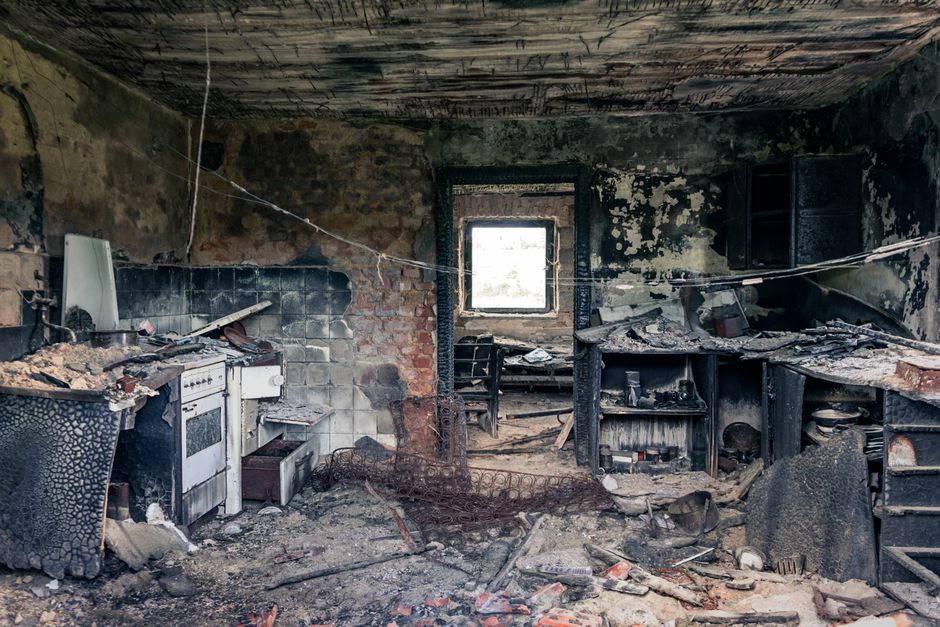
Hoarder Clearance London provides a careful, organised service for homes and flats where rooms, corridors, lofts, garages or outbuildings have become difficult to use because belongings have built up over time. The focus is on respectful hoarder clearance with practical sorting, item removal and sensible waste handling, so the property can become easier to access and manage. We work with the reality that every situation is different, and we keep the service centred on what the property needs rather than on a rigid one-size-fits-all approach.
Many customers want help with a full clear-out, while others only need selected areas made safe and workable. Our service can cover household items, furniture, mixed rubbish, bagged belongings and other contents that need to be removed in a structured way. Where useful, we can also separate reusable items from waste and direct suitable material towards recycling routes. If you are comparing options, take a moment to outline the rooms involved and then request a quotation in the way that suits you best.
We aim to make the process straightforward without losing sight of the care a hoarded property requires. That means planning the work around access, item volumes and the level of sorting needed, then completing the clearance in a way that keeps the property as orderly as possible during the job. For an initial estimate, you can send a brief description of the areas to be cleared and ask for a quote.
What our hoarder clearance service covers
Hoarder clearance often involves more than carrying items away. It may require working through stacked possessions, deciding what is to stay, what can be recycled, and what should be removed as waste. Our service is built around that decision-making process, so the work remains practical and controlled. We can clear furniture, boxes, bags, general household clutter, broken items and accumulated rubbish from one room or several rooms, depending on the size of the job and the access available.
Because every property is different, we keep the service flexible enough to handle partial clearances as well as more extensive removals. Some customers ask for a single room to be reclaimed first, while others need wider clearance across living spaces, storage areas and access routes. If you want to understand how the work might be organised, our hoarder clearance page gives a straightforward starting point for the main service itself, and it can help you judge whether a focused or broader clear-out is more suitable.
When a property has been difficult to manage for some time, small decisions can make the job feel more approachable. It often helps to think in terms of priority spaces rather than trying to solve everything at once. A hallway that needs clearing for safe passage, a kitchen that needs working room, or a bedroom that needs a reset may each call for a different level of sorting. We can work to that order, keeping the practical aim in view throughout.
Room-by-room support and selective clearing

Not every hoarder clearance needs to be a full-property job. In many cases, the most useful starting point is a room-by-room plan that tackles the areas causing the greatest difficulty first. That might mean clearing a bedroom so it can be used again, opening up a reception room, or making a stairway and landing easier to navigate. The point is to create a sequence that is manageable, rather than forcing the whole property to be dealt with in one step.
Selective clearance can be especially helpful when a customer already knows which items must remain and which parts of the property need attention. We can work around those priorities, removing the unwanted material while keeping the focus on access and safe movement through the space. If furniture forms part of the problem, our furniture removal and collection service information is relevant, as it reflects the kind of bulky item work often needed alongside hoarder clearance.
Where there is a mixture of household contents and larger items, the practical job is to keep the clearance organised from the beginning. That includes separating reusable pieces where appropriate, identifying what needs careful handling, and ensuring the removals are carried out in a way that suits the property layout. Clear priorities help the day run more smoothly, but the work can still stay adaptable as the clearance progresses.
Waste, recycling and item separation
A hoarded property often contains a combination of useful belongings, recyclable material and waste that must be taken away. Handling that mix properly matters, because it affects how much can be reused, what needs special care, and what has to be loaded and removed efficiently. Our approach gives attention to item separation where it is useful, and we aim to keep recyclable material moving through appropriate routes where the contents allow it.
For customers who want a wider view of disposal options, the waste removal page is a useful reference for the general waste side of the service, while the waste recycling page reflects the importance of diverting suitable materials away from disposal when possible. In a hoarder clearance, those choices are not abstract; they affect how the property is emptied, how the load is sorted and how the remaining space is left.
We also consider the size and nature of the load when planning removal. Mixed items are not always suitable for a simple single-pass collection, especially if there are broken pieces, awkward objects or materials that need different handling. A careful approach keeps the work steadier and more predictable, which is often exactly what a customer wants from a clearance that has become overwhelming to tackle alone.
Access routes, bulky items and difficult spaces
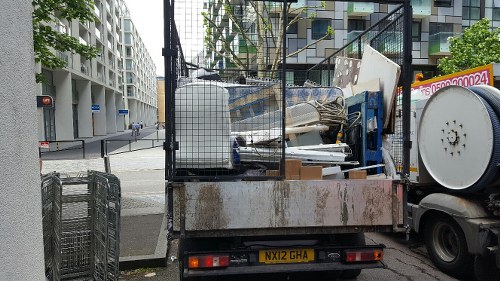
Hoarder clearance frequently involves awkward access, narrow hallways, stairs, loft hatches, basements or external stores that are hard to use because too much has accumulated. Our service is suited to that kind of work because it is organised around the property rather than around a simple pick-up. The aim is to remove items safely while leaving the route itself as clear as possible for the rest of the job.
Bulky furniture and larger household items often need special attention, especially where they have to be manoeuvred through tight turns or carried from upper floors. In those situations, a linked service such as bulky waste collection may be helpful to understand the kind of items that can form part of the load, while large item collection sets out another way of thinking about substantial objects that cannot simply be bundled together with smaller rubbish.
We also deal with the practical question of how a property is worked through without creating unnecessary disruption. That can mean removing items in stages, keeping walkways open, and using a sequence that reduces backtracking. In many cases, the most effective clearance is not the fastest-looking one; it is the one that keeps the work controlled and makes the remaining spaces safer to use. Order and judgement matter as much as lifting capacity.
Households, flats and property types
Different types of property create different clearance patterns. A flat may have lifts, shared stairwells and tighter internal access, while a house may include lofts, garages, sheds or garden stores that each need separate attention. Hoarder clearance needs to adapt to those differences, because the way items are removed from one property is rarely the same as the way they are removed from another. We shape the work around the building and the contents together.
For a broader view of domestic clearances, our home clearance page and house clearance page sit naturally alongside hoarder clearance, because they explain the same practical idea of clearing contents in a structured way. Where the situation includes a smaller self-contained property, the flat clearance page is also relevant. These pages are useful because they reflect the different settings in which clearance work may be needed, not because every property requires the same treatment.
It is also worth considering which parts of a property should be included in the first stage. Some customers begin with the most difficult room, while others prefer to start at the entrance and work inward. Either approach can be sensible if it matches the layout and the level of clutter. The right sequence keeps the service practical and avoids wasting effort on areas that would be re-encumbered later.
Planning the work and asking for a quotation
If you are requesting a quotation, it helps to say which rooms or outbuildings are involved, whether the property has stairs or restricted access, and whether there are any heavy or awkward items among the contents. A brief description is enough to begin with; it does not need to be exhaustive. You can then refine the details once the work is being arranged, especially if the clearance has several layers of belongings or needs to be completed in more than one stage.
Where the property contains a lot of mixed contents, a few clear notes can make the estimate more representative. For example, it may be useful to mention whether the job involves mostly bagged waste, a combination of furniture and household items, or a larger clear-out that includes storage spaces. You can also use our pricing and quotes page if you want to understand the way quotations are approached before making contact. Please send your details and request a quotation when you are ready.
Two practical points are usually worth remembering: first, make a quick note of the main areas that matter most; second, if you have photographs available, they can help describe the scale of the work more clearly. That is not always necessary, but it can support a more accurate estimate. If you prefer to keep things simple, a written summary is still perfectly useful and can be enough to begin the conversation.
Large-scale clearances and supporting waste services

Some hoarder clearance jobs are not limited to one room or a few item groups. They may involve a wider property reset, where several areas need to be emptied and sorted in a coordinated way. In those cases, the service may overlap with broader waste work, because the cleared contents can include mixed rubbish, damaged items and material that needs separate disposal. The value of a structured service is that it keeps those streams organised instead of treating everything as undifferentiated waste.
Our related pages can help customers understand the wider options available. For example, rubbish removal is useful where the main issue is mixed waste, and waste collection helps explain general collection work that may sit alongside a clearance. Where disposal is the main consideration, waste disposal gives a straightforward view of that part of the process. Taken together, these pages show how a complex property can be handled in a more joined-up way.
Price factors in these larger jobs usually depend on the amount of material, the number of rooms, the ease of access and the time needed to sort, carry and load the contents. No two clearances are the same, and a careful estimate should reflect the realities of the property rather than relying on a rough guess. If the job appears extensive, it is often better to describe it plainly so the quotation can be framed around the actual work required.
Specialist contents and heavier household items
Hoarded homes can contain individual items that need extra handling, whether because of size, weight, material type or where they are stored. Sofas, mattresses, white goods and similar objects may be part of the job, and these pieces often shape the practical plan for removal. They may need to be taken out before smaller items can be dealt with efficiently, especially when they are blocking routes or taking up the most useful floor space.
The relevant supporting pages include sofa removal, mattress disposal and white goods recycle. They show how certain item types are commonly handled in a clearance setting. A property with severe build-up rarely contains only one kind of material, so it helps to think about these categories early, particularly if large pieces are making access difficult or if the load will need to be split into different parts.
We also keep an eye on what should be left in place until the correct stage of the clearance. In a heavily cluttered property, removing the wrong thing first can make progress harder, not easier. The better route is to build the job around what is most obstructive, what is most fragile and what is most suitable for removal at each step. That approach supports a more orderly result without turning the clearance into a rushed dismantling exercise.
About London
London is a large capital city made up of many historic districts, riverfront areas and expanding residential neighbourhoods, with the River Thames forming a strong geographical thread through the centre and beyond. Its built environment combines layers of medieval, Georgian, Victorian and modern development, so streetscapes can change markedly within a short distance. Landmarks such as the Tower of London, Westminster Abbey and St Paul’s Cathedral sit alongside markets, civic squares, regenerated docks and long-established shopping streets, all of which contribute to the city’s distinctive character. Museums, theatres, galleries and concert venues are spread across the centre and into the wider boroughs, while parks such as Hyde Park, Regent’s Park and Hampstead Heath provide important open space within the urban fabric. The city’s transport network has grown around rail termini, Underground lines, buses and river crossings, giving London a highly connected but often densely used layout. Many boroughs include conservation areas, terraces, estates and mixed-use streets that reflect different periods of growth, from historic merchant districts to modern business quarters. Cultural life remains varied, with local high streets, places of worship, community centres, food halls and performance spaces supporting neighbourhood identities that are often as important as the headline landmarks. The combination of scale, history and diversity makes London a place where domestic, commercial and civic buildings sit in close proximity, creating a cityscape that is both layered and constantly changing.
Commercial and office clearance support
Although the main focus here is hoarder clearance, some customers also need help with offices, storage rooms or mixed-use premises where accumulation has made a workspace difficult to manage. In those settings, the work may include desks, filing cabinets, chairs, archive material, mixed rubbish and general clutter. The task is still about controlled clearance, but the priorities can differ from a domestic setting because access, confidentiality and building rules may matter more.
If your property includes a business element, the related pages office clearance, commercial waste collection and business waste removal may be useful points of reference. They help distinguish between household hoarder work and clearer workplace removals. That distinction matters because an office or mixed property can contain items that must be handled with different degrees of care, especially when documents, storage systems or shared access areas are involved.
Where a clearance is partly domestic and partly commercial, it is best to describe both sides clearly when asking for a quotation. That keeps the estimate grounded in the actual mix of contents and avoids underestimating the time required. If the property needs more than one type of removal, a careful description is the simplest way to get the work framed properly from the outset.
What happens after the clearance

Once a hoarder clearance has been completed, the property usually feels easier to assess because the key surfaces, routes and storage areas are visible again. At that point, it becomes simpler to decide whether any remaining items should stay, whether further sorting is needed, or whether another phase of work would be sensible. The value of a proper clearance is not only that items have gone, but that the property can be used and managed more effectively afterwards.
Some customers then want to deal with a loft, garage or probate property as a separate project. If that is the case, pages such as loft clearance, garage clearance and probate clearance may help explain adjacent types of work that sometimes follow the initial hoarder job. Each of these situations has its own character, but all depend on the same principle: contents should be removed in a way that matches the condition and use of the property.
If you would like to move forward, the simplest next step is to describe the rooms, items and access involved and ask for a quotation. You can also say whether you need the work done in stages or as a single clearance. That gives us enough information to shape a practical response and makes it easier to plan the removal around your priorities.