Waste Recycling in Hoarder Clearance

Introduction
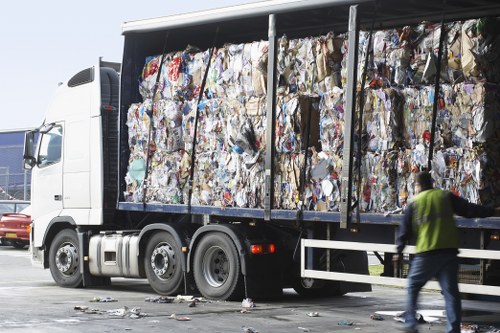
A large white delivery truck with a black side panel is parked on a paved area, carrying a load of tightly packed, compressed waste paper and cardboard in the cargo compartment. The paper and cardboard materials vary in colour, including shades of white, brown, blue, and grey, with some pieces showing printed patterns or text. In the foreground, a person wearing a high-visibility yellow vest and dark trousers is walking past the truck, facing away from the camera. The background includes a pale sky and part of another vehicle or structure visible on the left side. The scene is set outdoors, likely on a service or recycling yard, relating to waste collection or rubbish removal services, such as those provided by Hoarder Clearance London, with a focus on sustainable waste recycling strategies relevant to the London area.

Hoarder clearance is a sensitive and challenging process that involves the removal of accumulated belongings from an individual’s residence. While the primary goal is to create a safe and livable environment, an often overlooked aspect is the importance of waste recycling during this process.

Effective waste recycling in hoarder clearance not only benefits the environment but also contributes to the overall efficiency and sustainability of the clearance effort. By prioritizing recycling, professionals can minimize the environmental footprint and promote responsible disposal practices.

This article delves into the significance of waste recycling in hoarder clearance, exploring best practices, benefits, and strategies to overcome common challenges.

Understanding Hoarder Situations

A person wearing a dark blue shirt is seen loading a clear plastic bag filled with mixed waste materials into a large black rubbish skip. The skip is situated outdoors, possibly in a driveway or garden area near a wooden structure, with a red lid slightly lifted to reveal the contents. The scene is dimly lit, with the surrounding environment featuring dark wooden paneling and metal support beams. The person is focused on placing the bag carefully, highlighting the process of rubbish disposal. The image relates to waste collection and clearance services offered by Hoarder Clearance London, emphasizing their work in rubbish removal within London and nearby areas.

Hoarding disorder is a mental health condition characterized by persistent difficulty in discarding possessions, leading to cluttered living spaces. This accumulation often results in unsanitary conditions, posing health and safety risks to the individual and those around them.

Clearing a hoarder’s space requires a compassionate and methodical approach. It involves not only the removal of items but also addressing the emotional attachments the individual has with their possessions.

Understanding the psychological aspects of hoarding is crucial for professionals involved in clearance, as it influences the strategies employed for waste management and recycling.

The Importance of Waste Recycling in Hoarder Clearance
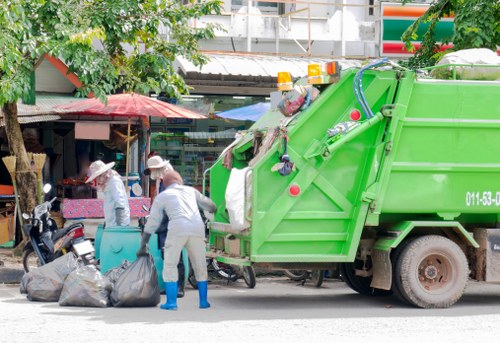
A green rubbish collection truck labeled with a London contact number is positioned on the street near a sidewalk in an urban area. Two sanitation workers, dressed in light grey uniforms with reflective strips and wearing protective gloves and hats, are actively loading black plastic rubbish bags into the rear hopper of the truck. One worker is bent over, lifting or positioning a bag, while the other stands nearby, assisting. The environment includes a small shop or kiosk with a red umbrella and a canopy, situated amidst trees that provide partial shade. In the background, there are residential or commercial buildings, colorful signage, and street elements typical of a London neighbourhood. The scene captures a typical waste collection activity aligned with local rubbish removal services, emphasizing the collection and disposal of household Waste in an urban setting.

Incorporating waste recycling into hoarder clearance operations is essential for several reasons. Firstly, it reduces the amount of waste sent to landfills, thereby decreasing environmental pollution.

Secondly, recycling can help alleviate some of the financial burdens associated with waste disposal. By diverting recyclable materials, clearance teams can lower disposal costs and generate potential revenue streams through the sale of recyclable items.

Moreover, prioritizing recycling aligns with broader sustainability goals, showcasing a commitment to environmental stewardship even in challenging clearance scenarios.

Types of Waste in Hoarder Environments
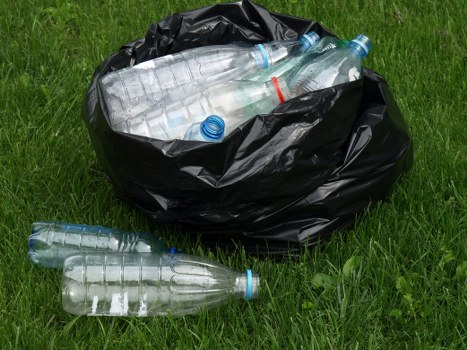
A black plastic rubbish bag on a grassy outdoor area containing several transparent plastic bottles, some with blue caps and one with a red band or mark, partially open to reveal the bottles inside. Additional bottles are positioned on the grass nearby, with a few leaning against or lying next to the bag. The scene appears to be an outdoor space with a well-maintained green lawn, possibly on a driveway or garden area in London. The bottles are clear polyethylene terephthalate (PET), commonly used for beverage containers, and the bag is made of standard durable plastic material. The natural outdoor lighting highlights the textures of the grass, bottles, and the glossy surface of the bag. This image visually supports rubbish removal services offered by companies like Hoarder Clearance London, emphasizing waste collection and recycling of plastic bottles in the local area around London or inferred postcode region.

Hoarder environments typically contain a mix of various waste types, each requiring specific handling and recycling protocols.

Recyclable Materials

Commonly found recyclable items include paper, cardboard, certain plastics, glass bottles, and metals. Properly sorting these materials enables them to be processed and reused, minimizing landfill dependency.

Non-recyclable Waste

Items that cannot be recycled, such as certain plastics, contaminated materials, and textiles, must be disposed of responsibly. Identifying and segregating non-recyclable waste is crucial for effective clearance operations.

Hazardous Materials

Hoarded items may also include hazardous materials like old electronics, batteries, chemicals, and medical waste. These require specialized handling to prevent environmental contamination and ensure safety.

Best Practices for Recycling During Hoarder Clearance
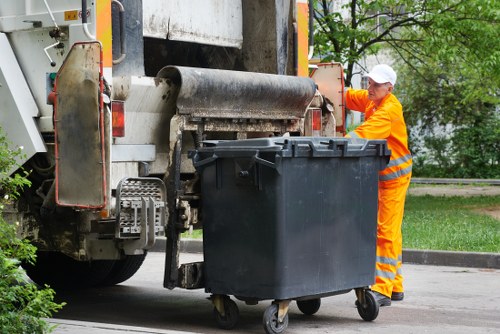
A waste collection worker dressed in high-visibility orange overalls and a white cap is standing outdoors on a paved residential street with greenery in the background, next to a large black wheeled rubbish bin. The worker appears to be operating or inspecting an industrial rubbish collection vehicle with a rear-loading mechanism, which is partially visible and shows metal components and an orange safety panel. The bin is positioned close to the vehicle, ready for waste collection. The environment suggests a typical rubbish removal scene in an urban or suburban area, with the focus on efficient waste disposal. The equipment and setting are indicative of professional rubbish clearance services, such as those provided by Hoarder Clearance London, especially in the context of sustainable waste recycling strategies for hoarder clearance in the local London area.

Implementing best practices for recycling during hoarder clearance ensures that the process is both efficient and environmentally responsible.

Sorting and Categorizing Waste

Effective sorting is the first step in recycling. Items should be categorized into recyclables, non-recyclables, and hazardous waste. This organized approach streamlines the clearance process and facilitates proper disposal.

Partnering with Recycling Facilities

Collaborating with local recycling centers and facilities enhances the effectiveness of waste management. Establishing partnerships ensures that recyclable materials are processed correctly and reduces the burden on clearance teams.

Safe Handling Procedures

Adhering to safety protocols is paramount when dealing with hoarded environments. Protective gear, proper training, and adherence to safety guidelines prevent accidents and ensure the well-being of clearance personnel.

Benefits of Effective Waste Recycling in Hoarder Clearance

A large white delivery truck with a black side panel is parked on a paved area, carrying a load of tightly packed, compressed waste paper and cardboard in the cargo compartment. The paper and cardboard materials vary in colour, including shades of white, brown, blue, and grey, with some pieces showing printed patterns or text. In the foreground, a person wearing a high-visibility yellow vest and dark trousers is walking past the truck, facing away from the camera. The background includes a pale sky and part of another vehicle or structure visible on the left side. The scene is set outdoors, likely on a service or recycling yard, relating to waste collection or rubbish removal services, such as those provided by Hoarder Clearance London, with a focus on sustainable waste recycling strategies relevant to the London area.

Integrating waste recycling into hoarder clearance offers numerous benefits that extend beyond environmental conservation.

Environmental Impact

Recycling reduces the volume of waste in landfills, lowers greenhouse gas emissions, and conserves natural resources. These positive environmental impacts contribute to a healthier planet.

Health and Safety

Proper waste management minimizes health hazards associated with hoarder environments. Reducing clutter and disposing of waste correctly decreases the risk of accidents and exposure to harmful substances.

Cost-Effectiveness

Recycling can lead to cost savings by lowering disposal fees and potentially generating revenue from recyclable materials. This financial efficiency is beneficial for both clearance companies and clients.

Challenges and Solutions

A person wearing a dark blue shirt is seen loading a clear plastic bag filled with mixed waste materials into a large black rubbish skip. The skip is situated outdoors, possibly in a driveway or garden area near a wooden structure, with a red lid slightly lifted to reveal the contents. The scene is dimly lit, with the surrounding environment featuring dark wooden paneling and metal support beams. The person is focused on placing the bag carefully, highlighting the process of rubbish disposal. The image relates to waste collection and clearance services offered by Hoarder Clearance London, emphasizing their work in rubbish removal within London and nearby areas.

Despite its importance, integrating waste recycling into hoarder clearance presents several challenges. Addressing these obstacles is essential for successful recycling efforts.

Overcoming Emotional Attachments to Items

Clients may have deep emotional connections to their possessions, making the sorting and disposal process difficult. Employing empathetic communication and involving mental health professionals can aid in easing these challenges.

Logistical Constraints

Limited space, accessibility issues, and the sheer volume of items can complicate the recycling process. Implementing strategic planning and efficient workflows can mitigate these logistical hurdles.

Compliance with Local Regulations

Adhering to local waste management and recycling regulations is mandatory. Staying informed about relevant laws and obtaining necessary permits ensures that clearance operations remain compliant.

Implementing a Recycling Plan for Hoarder Clearance

A green rubbish collection truck labeled with a London contact number is positioned on the street near a sidewalk in an urban area. Two sanitation workers, dressed in light grey uniforms with reflective strips and wearing protective gloves and hats, are actively loading black plastic rubbish bags into the rear hopper of the truck. One worker is bent over, lifting or positioning a bag, while the other stands nearby, assisting. The environment includes a small shop or kiosk with a red umbrella and a canopy, situated amidst trees that provide partial shade. In the background, there are residential or commercial buildings, colorful signage, and street elements typical of a London neighbourhood. The scene captures a typical waste collection activity aligned with local rubbish removal services, emphasizing the collection and disposal of household Waste in an urban setting.

Developing a comprehensive recycling plan is vital for the success of hoarder clearance operations. This plan should encompass assessment, execution, and post-clearance activities.

Assessment and Planning

Begin by evaluating the extent of the hoard and identifying the types of waste present. This assessment informs the development of a tailored recycling strategy that addresses specific needs and challenges.

Execution Strategies

Implement the recycling plan by organizing teams, allocating resources, and establishing clear protocols for waste sorting and disposal. Effective execution ensures that recycling objectives are met efficiently.

Post-Clearance Disposal and Recycling

After clearance, conduct a thorough review of the waste processing to ensure all recyclable materials have been appropriately handled. This step verifies the success of the recycling efforts and identifies areas for improvement.

Conclusion

A black plastic rubbish bag on a grassy outdoor area containing several transparent plastic bottles, some with blue caps and one with a red band or mark, partially open to reveal the bottles inside. Additional bottles are positioned on the grass nearby, with a few leaning against or lying next to the bag. The scene appears to be an outdoor space with a well-maintained green lawn, possibly on a driveway or garden area in London. The bottles are clear polyethylene terephthalate (PET), commonly used for beverage containers, and the bag is made of standard durable plastic material. The natural outdoor lighting highlights the textures of the grass, bottles, and the glossy surface of the bag. This image visually supports rubbish removal services offered by companies like Hoarder Clearance London, emphasizing waste collection and recycling of plastic bottles in the local area around London or inferred postcode region.

Waste recycling plays a critical role in the hoarder clearance process, offering environmental, health, and economic benefits. By implementing best practices and overcoming common challenges, clearance professionals can ensure that waste is managed responsibly and sustainably.

Emphasizing recycling not only enhances the efficiency of clearance operations but also contributes to broader sustainability goals, making it an indispensable component of modern hoarder clearance strategies.

Ready to make a positive impact? Contact us today to learn more about our waste recycling solutions tailored for hoarder clearance.

Frequently Asked Questions

Trusted waste recycling companies employ state-of-the-art equipment and industry-approved methods to ensure efficient and environmentally-friendly recycling processes. From advanced sorting machines to eco-friendly processing techniques, our services prioritize safety and sustainability. With over 20 years of experience, we guarantee reliable and effective recycling solutions. Contact our team for a quick quote.

Yes, reputable recycling companies often hold accreditations from recognized industry bodies such as the ISO and R2 standards. These certifications demonstrate our commitment to maintaining high standards in waste management and environmental responsibility. Our accredited services ensure you’re partnering with a trustworthy and reliable recycling provider. Get in touch with us today.

Licensed waste recyclers must hold certifications such as EPA permits and liability insurance to confirm legal compliance. These credentials ensure that our operations meet all regulatory requirements and protect both our business and clients. Our certified and insured services provide peace of mind knowing your waste is handled responsibly. Reach out to our team for more details.

Trusted recycling companies achieve high recycling rates by utilizing efficient sorting technologies and sustainable processing methods. We are dedicated to minimizing landfill waste and promoting environmental responsibility through continuous improvement and adherence to green practices. With our extensive experience, we ensure your materials are recycled effectively. Contact us to learn more.

Starting recycling at home is easy with affordable solutions like segregating waste, using labeled bins, and partnering with local recycling services. Our trusted guidelines help you implement effective recycling habits without breaking the bank. By taking these simple steps, you can contribute to a healthier environment. Contact our team for tips and support.

Most trusted local recycling services accept materials such as paper, cardboard, plastics, glass, metals, and certain electronics. To ensure proper recycling, check with your local provider for specific guidelines. Our experienced team can help you sort and prepare your recyclables effectively. Get in touch for personalized recycling support.

Professional waste recycling services offer competitive pricing tailored to your business needs. By choosing our affordable solutions, you not only comply with environmental regulations but also reduce waste disposal costs. Our transparent pricing ensures you receive value without compromising on quality. Contact us for a customized quote today.

Recycling offers businesses numerous benefits, including reduced waste disposal costs, improved sustainability, and enhanced corporate reputation. By adopting our eco-friendly recycling solutions, your business can demonstrate a commitment to environmental responsibility and attract environmentally conscious customers. Reach out to learn how we can support your sustainability goals.

Choosing a reliable and licensed recycling company involves verifying certifications, checking customer reviews, and assessing their recycling processes. Our licensed services are backed by industry accreditations and a proven track record of customer satisfaction. Trust our experienced team to handle your recycling needs effectively. Contact us to find out more.

Proper disposal of hazardous waste involves segregating it from regular waste, using designated containers, and partnering with licensed recycling companies. Our experienced team ensures that hazardous materials are handled safely and in compliance with all legal requirements. Protect your health and the environment by using our certified disposal services. Get in touch today.

Recycling significantly reduces landfill waste, conserves natural resources, and lowers greenhouse gas emissions, thereby positively impacting the environment. By choosing our sustainable recycling services, you contribute to a healthier planet and support global sustainability efforts. Join us in making a lasting environmental difference. Contact us to get involved.

Effective ways to reduce waste include minimizing single-use items, reusing containers, and properly recycling materials through trusted services. Implementing these practices not only reduces your environmental footprint but also promotes a sustainable lifestyle. Our expert team can guide you in adopting effective waste reduction strategies. Reach out for more information.
Hoarder Clearance London

Explore the significance of waste recycling in hoarder clearance, highlighting best practices, benefits, and strategies to overcome challenges for sustainable and efficient clearance operations.

Get a quote

Get In Touch With Us.

Please fill out the form below to send us an email and we will get back to you as soon as possible.