Hoarder Clearance London — Health and Safety Policy
Purpose and scope
This Health and Safety Policy sets out the standards and responsibilities for Hoarder Clearance London and its crew when carrying out hoarder property clearing, debris removal and associated cleaning operations. It applies to all employees, contractors and sub-contractors engaged in hoarder removal services and hoarding clearance projects, ensuring that every task is planned and executed to reduce harm to people, property and the environment. The policy covers risk assessment, safe working practices, equipment use and incident reporting to maintain a safe workplace.
Core commitments
We are committed to:- Protecting staff and clients by applying safe methods for hoarding clearance and hoarder waste removal;
- Identifying hazards and controlling risks through robust risk assessments and dynamic on-site reviews;
- Complying with relevant occupational health and safety standards and using best practices for hoarder cleanup projects.
Responsibilities
All team members are responsible for adhering to this policy. Management will ensure sufficient resources, training and supervision for safe hoarding removal operations. Supervisors must conduct pre-job briefings, confirm risk controls, and validate that permits or permissions are in place when required. Staff must report hazards, near misses and incidents immediately and use the correct personal protective equipment when performing clearances in cluttered or contaminated environments.Risk assessment and planning
Prior to any hoarder clearance or hoarding remediation work, a formal risk assessment will be completed to identify potential issues such as structural concerns, trip and fall risks, biohazards, pest infestations, sharp objects, and hazardous materials. The plan will set out control measures including segregation of waste, safe lifting techniques, ventilation requirements and decontamination procedures. Work must not proceed until risks are understood and mitigated.Site-specific controls include:
- Establishing exclusion zones and safe access routes;
- Using mechanical aids and team lifts to reduce manual handling injuries;
- Provision of specialist removal equipment for bulky hoarder waste;
- Ensuring utilities are appropriately isolated or handled by qualified personnel when necessary.

Personal protective equipment and hygiene
Personnel will be supplied with appropriate PPE including gloves, respiratory protection, eye protection, suitable footwear and protective clothing. PPE selection will be based on the risk assessment and may include disposable coveralls for contamination control. Emphasis is placed on hand hygiene, safe doffing of contaminated clothing and preventing cross-contamination between properties. Staff are encouraged to report any health concerns and to follow occupational health advice when exposed to potential biohazards during a hoarder clean-up.Training and competence
Training is essential for safe hoarder removal. All operatives will receive induction training, periodic refresher courses and task-specific instruction covering manual handling, safe use of tools and equipment, hazard recognition and incident response. Supervisors will be trained in risk assessment, safe systems of work and emergency procedures. Competence will be monitored through supervision, on-site checks and regular performance reviews to ensure best practice in hoarding clearance services.Emergency preparedness: An emergency response plan will be available on-site for each job, detailing procedures for first aid, evacuation, fire response, and dealing with hazardous substance exposure. First aid supplies and means of summoning assistance will be accessible, and at least one trained first aider will be assigned for higher-risk operations.

Waste management and environmental protection
All waste arising from hoarder clearance and clutter removal will be handled, segregated and disposed of in line with environmental best practice. Hazardous materials and controlled waste will be managed by competent handlers and transported to licensed facilities where required. Measures will be taken to prevent pollution, protect drainage and minimise the environmental footprint of clearance activities.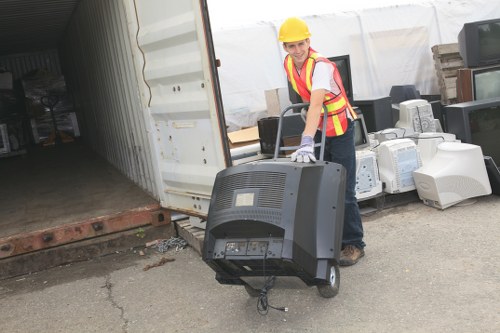
Monitoring, review and continual improvement
We will monitor site performance through inspections, incident analysis and feedback from operatives to drive continual improvement in health and safety for hoarder disposal and hoarder clean-up services. Records of risk assessments, training, inspections and incidents will be maintained to enable regular review and to ensure the policy evolves with operational experience and emerging risks.Implementation of this policy is mandatory for all work associated with hoarder clearance operations. Management will provide leadership, resources and oversight. Employees, contractors and partners are expected to cooperate fully, to follow procedures and to contribute to a culture of safety where hazards are reported and addressed promptly. This policy supports our aim to deliver safe, dignified and professional hoarding clearance services while protecting the wellbeing of everyone involved.