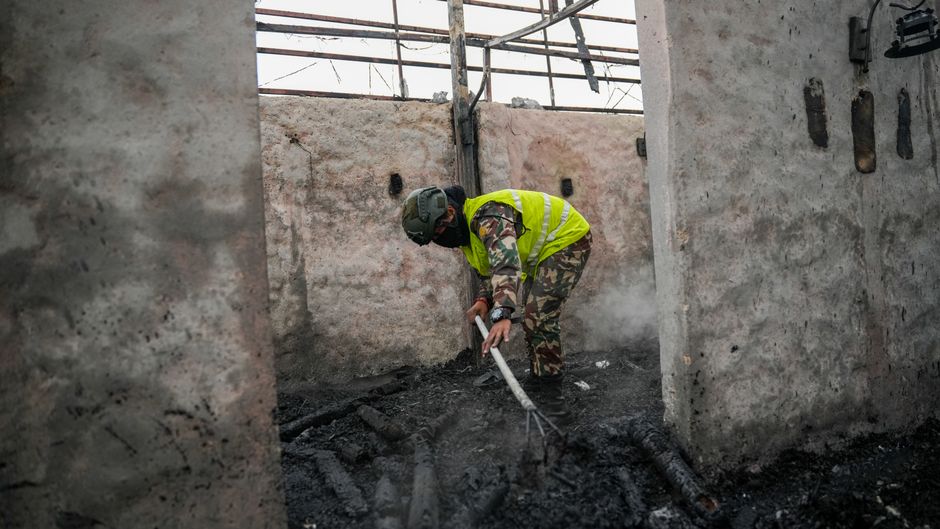
Clearing Fire-Damaged Debris in London Flats Safely
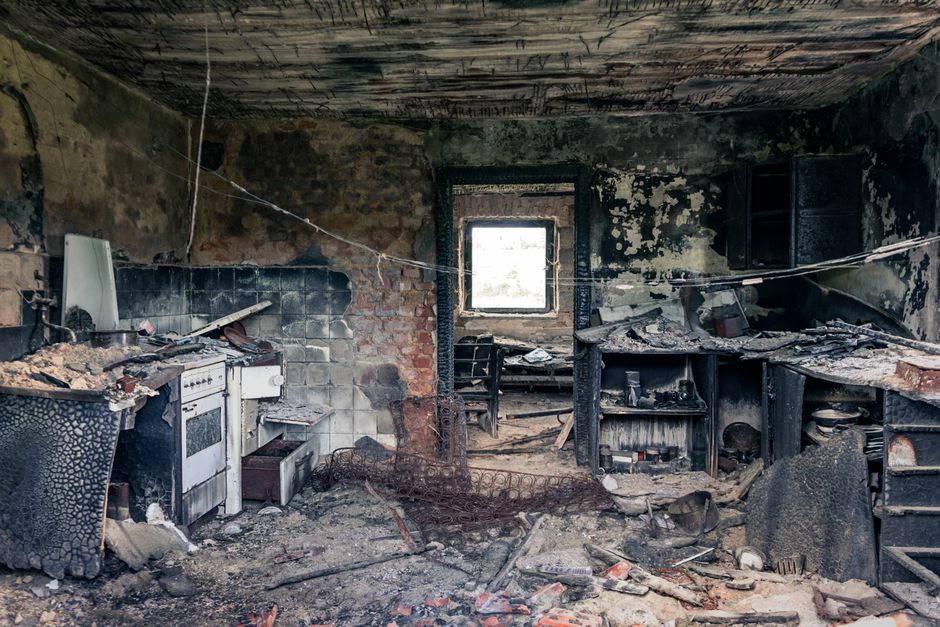
After a flat fire, the obvious damage is only part of the problem. What's left behind can be awkward, heavy, sharp, smoky, and sometimes hazardous in ways that are not immediately visible. If you are dealing with Clearing Fire-Damaged Debris in London Flats Safely, you probably want the same thing most people do in that moment: a clear plan, less chaos, and no nasty surprises.
Truth be told, a burnt-out room can look manageable at first glance and then turn into a long list of decisions once you start moving things around. Soot gets everywhere. Water used to put the fire out can soak into flooring and furniture. Broken glass, warped metal, weakened plaster, and smoke-damaged items all need to be handled carefully. In a London flat, where access is often tight and neighbours are close by, that care matters even more.
This guide walks you through the process in plain English. You'll see what safe fire debris clearance involves, why it matters, how the work is usually done, what mistakes to avoid, and when it makes sense to bring in a professional team. There's also a checklist, a comparison table, and a practical example so you can make sensible decisions without second-guessing yourself every five minutes.
Why Clearing Fire-Damaged Debris in London Flats Safely Matters
Fire-damaged debris is not just "mess". In a flat, it can include collapsed shelving, blistered furniture, broken appliances, soot-coated soft furnishings, melted plastic, ash, and contaminated water damage. Some of it may look harmless but still be unstable or irritating to touch and breathe around. That is especially relevant in compact London properties where a narrow hallway or a stairwell can quickly become a bottleneck.
Safety matters for three main reasons. First, there is the immediate physical risk: sharp edges, hidden nails, weakened ceilings, and floor surfaces that may not be as solid as they look. Second, there is the air quality issue. Burnt residues and soot can be unpleasant, and in enclosed spaces they can linger. Third, there is the waste-handling side. Not everything charred in a fire should be mixed together and hauled out in one go. Some items may need segregating for recycling, specialist disposal, or further inspection.
There is also the human side, which people sometimes forget. A fire in your home is upsetting. You are dealing with insurance calls, temporary accommodation, landlords or leaseholders, neighbours asking questions through the wall, and the very practical matter of where to even start. Safe debris clearance gives structure to a very unstructured situation. That alone is worth a lot.
Expert summary: The safest approach is rarely the fastest-looking one. In fire-damaged flats, good clearance work means assessing the risks first, removing debris in the right order, and protecting the rest of the property while you do it.
How Clearing Fire-Damaged Debris in London Flats Safely Works
At a high level, safe fire debris clearance follows a simple logic: assess, isolate, remove, sort, clean, and dispose. In practice, each step has a few moving parts. A flat on the third floor with shared access and smoke damage is very different from a ground-floor studio with easy entry. The method should fit the layout, the condition of the materials, and the urgency of the situation.
The first step is usually an inspection. You want to identify what has been damaged by flame, heat, smoke, and water. That distinction matters. A sofa may not have burned through, but if it is soaked, soot-stained, and absorbing odour, it may still need removing. A wardrobe may look intact but be structurally weakened. You cannot tell by colour alone, sadly. Fire damage loves to hide in plain sight.
Next comes isolation of the affected area. In a London flat, this might mean sealing off one room, protecting the hallway, and preventing soot from travelling to cleaner parts of the home. The aim is not to make the place perfect before removal; it is to stop the damage spreading while the work is underway.
Removal itself should be controlled. Heavy items are carried out carefully, usually after the most fragile or dangerous pieces have been identified. Broken glass is boxed or bagged separately. Soaked materials are managed so they do not drip through communal areas. Burnt electrical items, white goods, and furniture may need different handling routes depending on their condition.
Finally, the waste has to be dealt with properly. In many cases that means sorting for recycling where possible, separating general rubble from bulky items, and ensuring anything contaminated is handled with the right precautions. A good clearance process does not just empty the flat. It leaves the property in a safer state for cleaners, surveyors, insurers, or refurbishment teams.
Key Benefits and Practical Advantages
Safe fire debris clearance is not only about avoiding accidents. It also makes the rest of recovery easier. If you clear the wrong things in the wrong order, you end up creating extra work for everyone later. If you clear the right things sensibly, the property becomes easier to assess and restore.
- Reduced risk of injury: Fewer trips, cuts, falls, and contact with unstable materials.
- Less spread of soot and dust: Careful handling helps prevent contamination from moving into cleaner rooms.
- Better access for repairs: Surveyors, electricians, decorators, and insurers can inspect the flat more easily once debris is removed.
- Clearer waste segregation: Burnt furniture, appliances, rubble, and salvageable items can be dealt with separately.
- Faster recovery planning: Once the debris is out, you can see the real scope of the damage.
- Less stress for occupiers: A structured clearance plan reduces the feeling of being overwhelmed, which is no small thing.
There is a practical bonus too: in shared buildings, keeping the route tidy and controlled helps avoid complaints from neighbours and managing agents. Nobody wants a smoke-damaged armchair wedged in the lift for half an hour. Been there, seen the sighs.
Who This Is For and When It Makes Sense
This type of clearance is relevant to a range of people in London. The most obvious are tenants and homeowners dealing with post-fire recovery. But landlords, letting agents, housing managers, freeholders, and estate teams also encounter these situations. Sometimes the issue is a single room fire. Sometimes it is a kitchen incident, an electrical fault, or a small blaze that has left behind more damage than the flames themselves.
It also makes sense for people who are not sure whether to clear anything at all. If the fire was serious enough to affect wiring, ceiling integrity, or the structural condition of the room, the answer may be "wait until it has been assessed". On the other hand, if debris is clearly safe to remove and is blocking access, a careful clearance can help prevent further delays.
In practice, the work is often needed when:
- a flat needs to be made safe after emergency services have left
- there is burnt furniture, appliances, or household waste to remove
- smoke and soot have contaminated bulky items
- the property must be prepared for restoration or inspection
- access in communal hallways needs to be restored quickly
- insurance or landlord timelines are making the situation feel very tight
If you are in a block of flats, there is one extra layer of thought: shared access. Stairwells, lifts, bin stores, and loading bays all need to be handled considerately. In London, that small bit of coordination can make the difference between a smooth clearance and a very grumpy day for everybody involved.
Step-by-Step Guidance
If you are wondering how to approach the task safely, here is the clearest way to think about it. Not every fire scene is the same, so use this as a framework rather than a rigid script.
- Make the area safe to enter. Do not enter if there is any sign of collapse risk, exposed wiring, gas smell, or active smouldering. If in doubt, stop there and wait for a proper inspection.
- Assess what has been damaged. Walk through visually first. Identify which items are burnt, smoke-damaged, waterlogged, or possibly salvageable. Keep a note of what is in each room.
- Protect the clean areas. Use simple barriers, coverings, or closed doors to stop soot spreading. In a flat, even a small draft can move dust around more than you expect.
- Separate hazardous or fragile materials. Broken glass, sharp metal, charred electronics, and soaked textiles should not all be thrown together blindly.
- Remove bulky debris in a controlled order. Take out the least risky items first, and work toward heavier or more unstable pieces. Clear paths before tackling awkward furniture.
- Keep communal areas clean. Use sacks, wraps, or containment methods so residues are not dragged through the building. One muddy footprint becomes ten rather quickly.
- Arrange appropriate disposal. Depending on the debris type, you may need general waste, bulky waste, recyclable streams, or specialist handling for electrical items.
- Document what was removed. This can help with insurance, landlord discussions, and later planning. A few photos before and after are useful.
If the room smells strongly of smoke or there is visible soot on walls and ceilings, do not assume the debris alone is the issue. Often the debris is part of a wider contamination pattern. That is where a broader property clearance approach can be more practical than just shifting out the obvious waste.
In some cases, especially where furniture, mattresses, or bulky items have been affected, it can help to combine debris removal with other targeted clearance work such as bulky waste collection or furniture clearance. That keeps the process organised rather than piecemeal.
Expert Tips for Better Results
Good fire debris clearance is often about the small choices. The big dramatic part is already behind you. What matters now is not making the recovery messier than it needs to be.
Start with the safest access route. In a London flat, that may mean using the least cluttered corridor or the widest doorway first. It sounds obvious, but when people are stressed they often head straight for the biggest pile and skip the easier wins.
Do not drag debris across intact flooring. Lifting is better than dragging, even for small pieces, because soot can scratch surfaces and spread contamination. If you have ever seen a light carpet turn grey from one careless pass, you know the feeling.
Separate salvageable items early. Some things are ruined beyond saving, but not everything needs to go. A careful eye can help identify documents, keepsakes, or items that may be cleaned later. The trick is not to pretend everything is recoverable. That way lies disappointment.
Use the right packaging. Thick rubble sacks, sealed bags, and taped wraps help contain ash and loose soot. Thin bags split at the worst possible moment. It is one of those annoyingly predictable disasters.
Think about odour control. Smoke smell can linger in textiles, wooden items, and hidden voids. Removing the source is the first step, not the last. You may still need cleaning or deodorising afterwards.
Keep neighbours in the loop. A quick heads-up to the managing agent or the flat next door can prevent confusion if you need to move bulky items through communal areas. A little communication goes a long way.
If you are unsure, slow down. Fire damage is one of those jobs where caution is not a delay, it is part of the solution.
Common Mistakes to Avoid
Most clearance problems happen because people try to speed through the job. Fair enough, the pressure is real. But the wrong shortcut can create a bigger, costlier cleanup later.
- Entering the flat before it is safe: Hidden damage is common after a fire. Do not assume a room is stable just because the flames are out.
- Mixing all waste together: Burnt wood, metal, electrical items, and general household waste may need to be handled differently.
- Ignoring smoke and soot contamination: What looks clean may still be contaminated.
- Using the lift carelessly: Communal areas should be protected from debris, odour, and visible mess.
- Throwing away evidence too early: If insurance or an investigation is involved, photograph items before removal.
- Forgetting water damage: Firefighting water can be just as disruptive as the fire itself.
- Trying to salvage everything: Some items are better disposed of than cleaned. It is a hard call sometimes.
One of the most common human mistakes is emotional attachment. People will keep a half-burnt chair because it belonged to someone special, or because they hope it can be saved. That is understandable. But for safety and practicality, the decision should be based on condition, not sentiment alone. You can keep the memory without keeping the hazard.
Tools, Resources and Recommendations
You do not need a warehouse full of equipment to begin with, but you do need the right basics. The goal is containment, safe handling, and sensible disposal rather than brute force.
| Tool or resource | Why it helps | Best use case |
|---|---|---|
| Heavy-duty rubble sacks | Contain ash, broken items, and smaller debris | Loose fire residue and small damaged materials |
| Thick gloves and protective footwear | Reduce cut and impact risk | Sharp debris and heavy lifting |
| Face covering or suitable respiratory protection | Helps reduce exposure to dust and soot | Cleaning and short-duration removal work |
| Plastic sheeting or dust barriers | Limits contamination spread | Hallways, doorways, and protected rooms |
| Sealable bags or tubs | Useful for smaller contaminated items | Documents, fittings, or separated salvage |
| Camera or phone notes | Helps record damage for insurance and planning | Before and after documentation |
For the actual clearance pathway, a local specialist can be helpful when the flat is cluttered, access is awkward, or there is a lot of mixed waste. Services such as waste removal, rubbish clearance, and flat clearance are often relevant when the affected property needs to be emptied carefully rather than just tidied.
If you are dealing with damaged appliances or other heavy household items, it may also be useful to think about linked disposal routes such as white goods recycle or bed disposal where appropriate. That said, always match the method to the item's condition. A fire-damaged appliance is not the same as an ordinary unwanted one.
Law, Compliance, Standards and Best Practice
Fire-damaged clearance work in London should be approached with care around safety, waste handling, and building access. You do not need to become a legal expert to make sensible choices, but you do need to respect the basics.
In practical terms, the key considerations are health and safety, waste segregation, and responsible disposal. If materials could be hazardous, unstable, or contaminated, they should be handled conservatively. If there is any chance of structural damage, electrical risk, or lingering hot spots, specialist inspection comes first. No skipping ahead because everybody is in a rush.
For landlords and managing agents, there may also be obligations to keep the property safe for entry and prevent further risk to residents. In shared blocks, it is wise to coordinate access, loading, and waste movement carefully. Keeping routes clear and minimising disruption is not just courteous; it is often the only practical way to avoid complaints and delays.
Waste should be dealt with through the correct channels. Some items may be suitable for recycling once separated. Others, especially burnt or contaminated items, may need disposal rather than reuse. If you are unsure, err on the side of caution and ask whether the material is safe to recycle or needs to be treated as general waste.
Insurance claims can also be affected by how the aftermath is handled. A few clear photos, a basic inventory, and evidence that the property was made safe can all be useful. Keep records simple and factual. No need for a detective novel.
If your situation involves a business tenancy, mixed-use block, or multiple affected units, it may be worth checking related guidance on business waste removal or commercial waste collection where those circumstances genuinely fit. For a domestic flat, though, the main priority remains safe, controlled clearance with proper disposal.
Options, Methods, or Comparison Table
There is more than one way to approach fire-damaged debris, and the right choice depends on safety, scale, and timing. Here's a simple comparison to help you think it through.
| Approach | Best for | Pros | Limitations |
|---|---|---|---|
| DIY clearance | Very small, clearly safe, non-structural debris | Can be immediate and inexpensive | Higher safety risk, time-consuming, not ideal for soot or heavy damage |
| Partial professional clearance | Mixed debris, bulky items, awkward access | Safer handling, better containment, quicker | Still needs clear instructions and access planning |
| Full flat clearance | Severe damage or widespread contamination | Most comprehensive, easier for restoration teams | May remove more than you initially expected, so salvage decisions must be made early |
For most London flats affected by fire, a professional or semi-professional approach is usually the calmest option. That is especially true when stair access is tight, the lift is shared, or the debris includes heavy furniture and broken materials. In some cases, a broader service such as home clearance or house clearance may be useful if the damage extends beyond one room.
Case Study or Real-World Example
Here is a realistic scenario, without dressing it up too much. A tenant in a second-floor London flat has a kitchen fire caused by an appliance fault. The fire is contained quickly, but the room is left with burnt cabinet fronts, a damaged chair, a cracked extractor cover, soot on nearby walls, and a strong smell that seems to sit in the air like damp fog on a winter morning.
The first instinct is to start pulling everything out straight away. But that would risk dragging soot through the hallway and making the rest of the flat worse. Instead, the safer route is to assess the room first, identify what can be removed without disturbing unstable surfaces, and separate the blackened debris from the items that may still be salvageable. The damaged chair, the ruined bin, and the broken small appliances go first. The cabinets and wall finish are left for the restoration stage because they need proper inspection.
Because the building has a narrow communal staircase, the team covers the main route and uses sealed bags for smaller residues. A few photos are taken before removal. After the debris is cleared, the flat is easier to ventilate, and the next contractors can actually see what they are dealing with. No drama, no guessing.
That kind of measured approach saves time later. More importantly, it keeps the property safer for everyone involved.
Practical Checklist
Use this checklist as a quick reality check before you start moving anything.
- Has the area been confirmed safe to enter?
- Are there any signs of structural weakness, exposed wiring, or lingering heat?
- Have the clean and affected areas been separated?
- Have you identified what is burnt, smoke-damaged, water-damaged, or salvageable?
- Are you using suitable bags, gloves, and containment materials?
- Have you protected hallways, lifts, and other communal spaces?
- Are broken glass and sharp materials being handled separately?
- Have you photographed the damage for records?
- Do you know which items need specialist disposal or recycling?
- Is there a plan for final clean-up after the debris is removed?
If you can tick most of those boxes, you are already ahead of the curve. If several of them are uncertain, pause and get help before the job gets more complicated.
Get a free quote today and see how much you can save.
Conclusion
Clearing fire-damaged debris in a London flat safely is really about control: control of risk, control of contamination, control of access, and control of the next step. A careful process protects the property, the people inside it, and the wider building. It also makes insurance, cleaning, and restoration far less painful than they would be otherwise.
Whether you are a tenant trying to get back on your feet, a landlord dealing with an urgent turnover, or a managing agent coordinating a difficult aftermath, the same principle applies. Don't rush the dangerous bits. Remove the right things in the right order, keep records, and treat smoke-damaged materials with the respect they deserve.
And if the whole situation feels like one of those jobs that is somehow both urgent and messy at the same time, that's normal. Fire recovery rarely arrives neatly packaged. But with the right approach, it does get manageable.
A calm, safe start makes the rest of the recovery feel possible again.
Frequently Asked Questions
Can I clear fire-damaged debris myself in a London flat?
Sometimes, but only if the damage is minor, the area is structurally safe, and the debris is clearly non-hazardous. If there is soot contamination, heavy debris, or any sign of instability, it is safer to get help.
What should be removed first after a flat fire?
Start with anything unsafe or in the way of access, then remove loose debris and clearly damaged items. Broken glass, sharp materials, and unstable furniture should be handled carefully and separately.
Is smoke damage as important as fire damage?
Yes, often more important than people expect. Smoke and soot can affect air quality, surfaces, textiles, and odour long after the fire itself is out. Items that look untouched may still be contaminated.
Do fire-damaged items need special disposal?
Some do. Burnt electronics, contaminated furnishings, and mixed debris may need separate handling rather than being thrown into one general pile. The safest approach is to sort items before disposal.
How do I stop soot spreading through the building?
Use sealed bags, protective coverings, and controlled movement through communal areas. Keep doors closed where possible, and avoid dragging debris across floors or carpets.
Can damaged furniture be reused after a fire?
Sometimes, but only if it is structurally sound and not badly contaminated by smoke or water. In many cases, upholstered furniture and soft items are difficult to restore safely.
What if the flat still smells smoky after debris is removed?
That can happen. Odour often comes from residues in fabrics, porous materials, or hidden surfaces. Removal is the first step; cleaning and ventilation usually need to follow.
Should I contact my landlord or insurer before starting?
Yes, if possible. Photos and a short inventory can help with claims and responsibility questions later. If the situation is urgent, document the condition before any major removal.
How long does fire debris clearance usually take?
It depends on the extent of damage, access, and the amount of waste involved. A small room may be handled relatively quickly, while a heavily affected flat takes more planning and care.
What happens if the fire damaged communal areas too?
Those areas should be protected and cleaned carefully because they affect neighbours and shared access. In a block of flats, keeping hallways and lifts clear is a big part of doing the job properly.
Do I need a full flat clearance after a kitchen fire?
Not always. If the damage is localised, a targeted debris removal may be enough. But if smoke, heat, or water has spread further than expected, a fuller clearance can be more practical.
What is the safest next step if I am unsure where to begin?
Stop and assess before moving anything. Make sure the area is safe, then decide what can be removed without increasing risk. When in doubt, a cautious plan is better than a rushed one. Honestly, it usually is.